


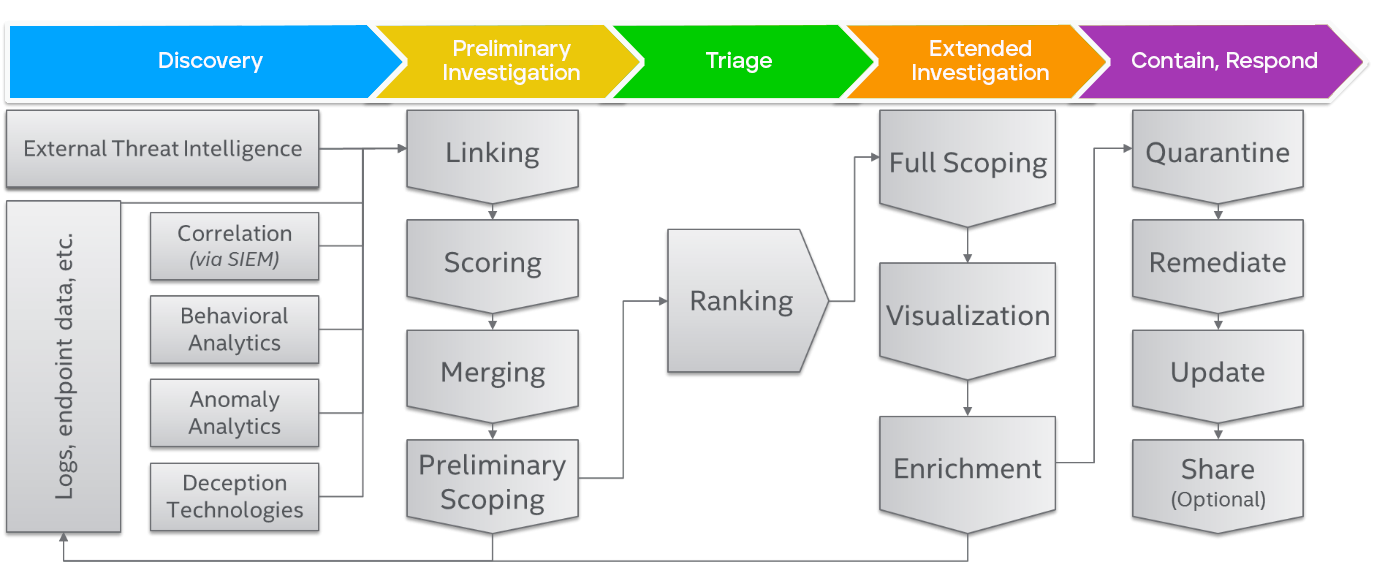
Comprehensive examination of the centralized cybersecurity monitoring landscape provides insights into market structure, competitive positioning, and growth trajectories. Security Operations Center Market Analysis reveals segmentation across multiple dimensions including solution type, service model, deployment approach, organization size, industry vertical, and geographic region. Solution category analysis distinguishes between platform technologies like SIEM and endpoint detection versus managed services providing outsourced operations. Deployment model segmentation examines on-premises installations, cloud-based platforms, and hybrid approaches reflecting different control and flexibility priorities. Organization size analysis demonstrates varying adoption patterns between enterprises, mid-market companies, and small businesses with different resource levels. Industry vertical examination reveals sector-specific drivers, compliance requirements, and threat profiles influencing SOC adoption. Geographic analysis identifies regional differences in market maturity, regulatory environments, threat landscapes, and investment levels. Service type segmentation distinguishes monitoring-only services from comprehensive managed detection and response offerings. Understanding these multidimensional segments enables vendors to develop targeted strategies and helps organizations identify appropriate solutions.
Growth driver analysis identifies key factors accelerating SOC market expansion and shaping industry evolution. Cyber threat escalation across ransomware, advanced persistent threats, and insider risks necessitates sophisticated monitoring capabilities. Regulatory compliance requirements including GDPR, HIPAA, PCI-DSS, and industry-specific standards mandate security controls and incident response. Digital transformation initiatives increase technology dependence and attack surface requiring enhanced protection. Cloud migration creates distributed environments complicating security monitoring and visibility. Remote workforce expansion multiplies endpoints and access points requiring comprehensive oversight. Skills shortage in cybersecurity creates demand for managed services and automation technologies. Data breach costs including remediation, regulatory fines, and reputation damage justify preventive SOC investments. Cyber insurance requirements specify security operations capabilities as coverage conditions. Board-level governance emphasis on cybersecurity risk drives executive support for SOC initiatives. These converging factors create sustained demand across diverse organizational contexts.
Market restraints and challenges require strategic consideration by both SOC operators and technology purchasers. Talent scarcity limits availability of skilled security analysts for SOC staffing across geographies. Alert fatigue from high false positive rates reduces analyst effectiveness and delays genuine threat response. Technology complexity across multiple platforms and vendors complicates integration and operational efficiency. Cost considerations including technology licensing, personnel, and facility expenses constrain SOC investments particularly for smaller organizations. Skills development requirements demand continuous training as threat landscape and technologies evolve. Vendor lock-in concerns arise as organizations become dependent on specific platforms or service providers. Performance measurement challenges complicate demonstration of SOC value and return on investment. Regulatory complexity across jurisdictions creates compliance burdens for multinational organizations. Addressing these obstacles requires careful technology selection, process optimization, automation adoption, and strategic workforce development.
Competitive landscape analysis reveals market positioning strategies, service differentiation approaches, and consolidation patterns. Global managed security service providers leverage worldwide delivery networks and comprehensive service portfolios. Regional specialists compete through local market knowledge, compliance expertise, and responsive customer support. Telecommunications companies offer SOC services integrated with network infrastructure and connectivity. Cloud platform providers embed security operations within broader cloud service offerings. Technology vendors provide SOC platforms requiring customer operation or partner-delivered services. Consulting firms offer SOC strategy, implementation, and optimization services alongside or instead of ongoing operations. Industry-focused providers deliver vertical-specific threat intelligence and compliance capabilities. Pricing models range from per-asset subscriptions to consumption-based monitoring volumes. Partnership strategies combine technology vendors with service delivery organizations. Merger and acquisition activity demonstrates market consolidation as providers pursue scale, capabilities, and geographic expansion. Understanding competitive dynamics helps organizations select appropriate SOC partners and enables vendors to develop sustainable differentiation.
Top Trending Reports:

 Українська
 Русский