


Market segmentation analysis provides granular understanding of India's gaming market structure, enabling targeted strategies addressing specific segment requirements and opportunities effectively. The India Gaming Market Segmentation reveals diverse subsegments with distinct characteristics, growth trajectories, and competitive dynamics requiring differentiated approaches. Segmentation frameworks organize market complexity into manageable categories supporting strategic analysis and resource allocation decisions throughout organizations. The India Gaming Market size is projected to grow USD 26.19 Billion by 2035, exhibiting a CAGR of 16.2% during the forecast period 2025-2035. This aggregate projection encompasses multiple segments with varying growth rates, sizes, and competitive intensity levels across the market. Understanding segmentation enables market participants to identify attractive opportunities aligning with organizational capabilities and strategic priorities effectively. Segment-level analysis provides insights into customer requirements, competitive dynamics, and success factors within specific market portions.
Platform segmentation distinguishes gaming experiences across mobile, PC, console, and emerging cloud gaming delivery mechanisms with distinct characteristics. Mobile gaming dominates market share through smartphone ubiquity, accessibility, and casual-friendly experiences appealing to broad audiences effectively. Android platform significantly outweighs iOS in India reflecting device market share patterns and price point accessibility for consumers. PC gaming maintains dedicated following among serious gamers and esports participants seeking performance advantages and specific title access. Console gaming represents smaller but growing segment with PlayStation and Xbox platforms competing for Indian gamer attention. Cloud gaming emerges as segment enabling premium experiences without hardware investments through streaming technology delivery approaches. Handheld gaming devices occupy niche positions competing against mobile smartphone gaming for portable gaming attention. Platform segmentation informs development priorities, distribution strategies, and monetization approaches tailored to platform-specific user characteristics and expectations.
Demographic segmentation categorizes gamers by age, gender, income, and geographic characteristics revealing distinct preferences and behaviors across population groups. Youth demographics dominating gaming participation with highest engagement levels among teenagers and young adults actively playing. Gender distribution shows male dominance historically though female gaming participation increases significantly across casual and social gaming categories. Income segmentation reveals different monetization potential with premium spending concentrated among higher-income urban populations primarily. Geographic segmentation distinguishes metropolitan, tier-2, tier-3, and rural gaming markets with varying accessibility and development stages. Educational and occupational segmentation shows strong gaming presence among students and young professionals with leisure time availability. Family status influences gaming preferences with different content and time allocation patterns among single versus family-oriented players. Demographic segmentation enables targeted marketing, content development, and monetization strategies addressing specific audience segment needs effectively.
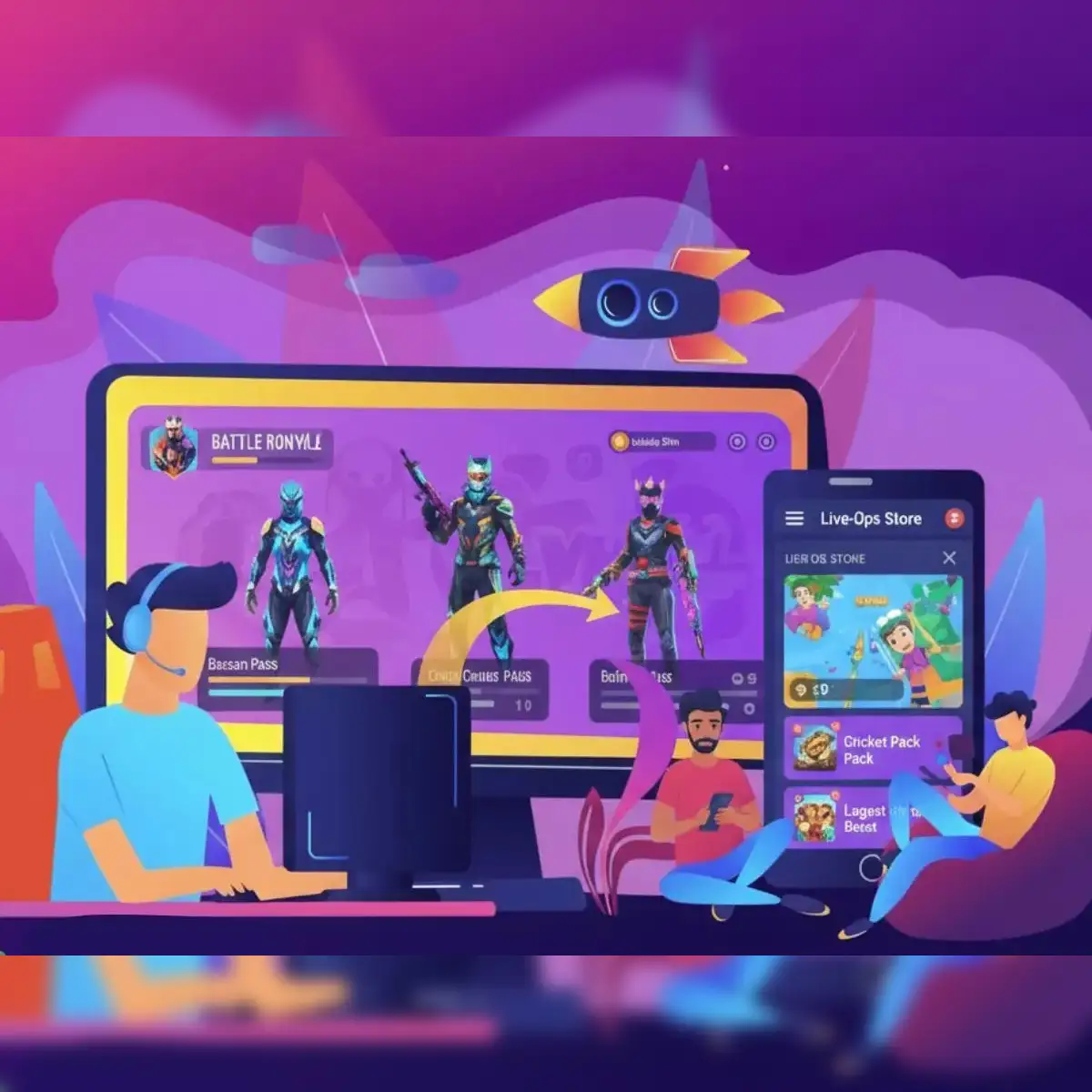
Genre and content segmentation organizes games by gameplay type, theme, and content characteristics attracting different player preferences. Battle royale games capture substantial engagement through competitive multiplayer experiences with accessible free-to-play monetization models. Puzzle and casual games attract broad audiences through simple mechanics, short sessions, and low commitment requirements for enjoyment. Fantasy sports and prediction games show rapid growth leveraging cricket passion and skill-based gaming regulatory frameworks. Role-playing games attract dedicated players seeking deep narrative and character progression experiences over extended playtime investments. Racing and sports games resonate with audiences enjoying athletic competition simulations particularly cricket-themed offerings. Strategy games appeal to players preferring thoughtful gameplay requiring planning and resource management over reflexive action. Genre segmentation informs content development priorities and publishing strategies aligned with Indian market preferences and growth opportunities.
Top Trending Reports -
France Big Data Security Market Competitive Landscape

 Українська
 English