


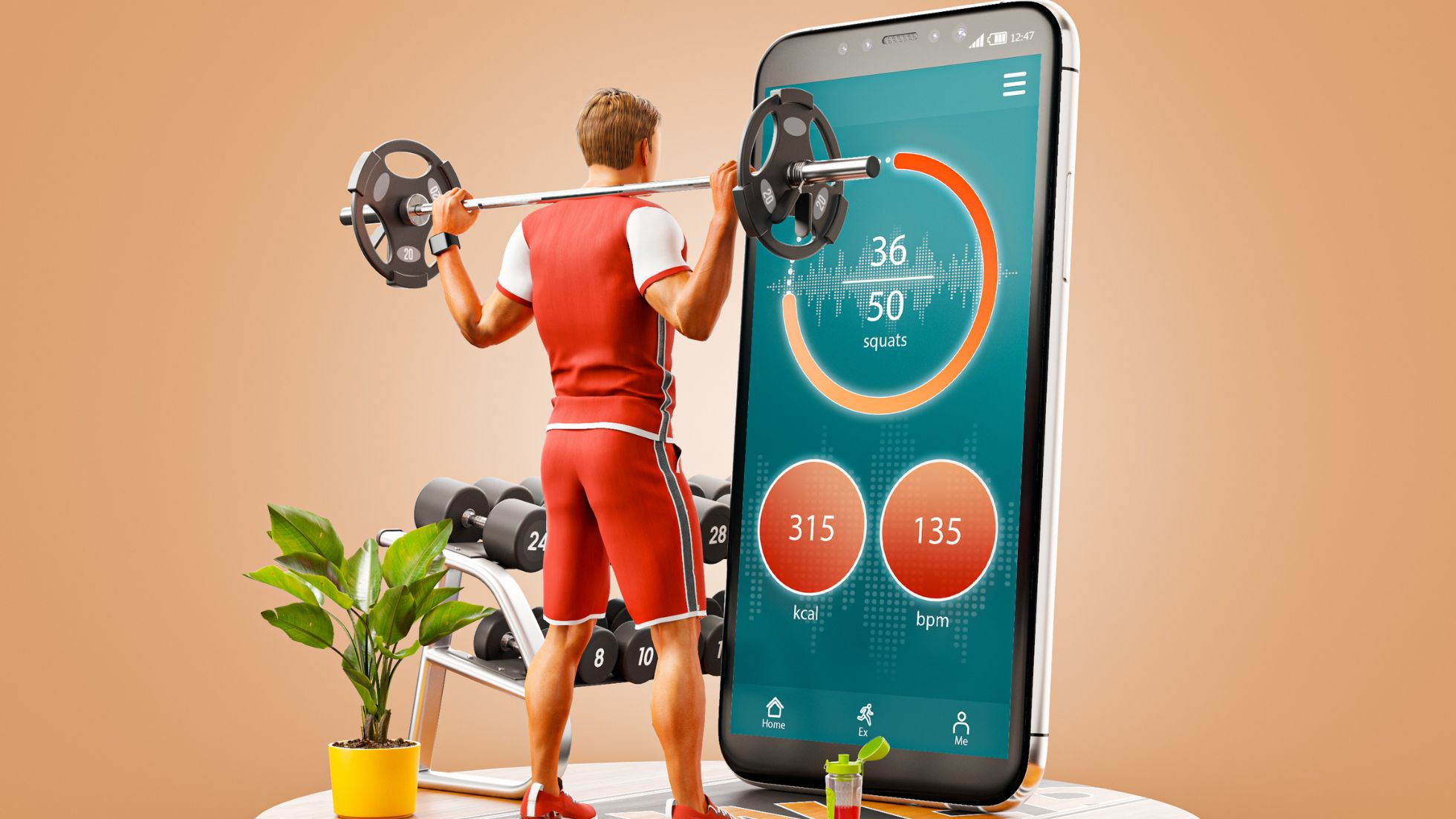
The world of digital health and wellness is in a state of constant innovation, with new technologies and user expectations continuously reshaping the landscape. To understand the future of this dynamic market, it is essential to analyze the key Fitness App Market Trends that are defining the next generation of solutions. These trends reveal a clear progression from simple tracking and generic content to more holistic, hyper-personalized, and socially integrated experiences. The overarching theme is the use of AI and data to create a fitness journey that is not just a series of workouts, but a comprehensive and adaptive lifestyle coach. These developments are not just adding new features; they are making fitness apps more effective, more engaging, and more deeply integrated into the user's overall health journey.
The single most impactful trend is the deep and pervasive integration of Artificial Intelligence (AI). AI is transforming the fitness app from a static content library into a dynamic, personal trainer. AI algorithms can analyze a user's performance data, their stated goals, and even their subjective feedback to create truly personalized and adaptive workout plans that evolve with the user. A major emerging application is AI-powered form correction. Using a smartphone's camera, the app can analyze a user's form during an exercise (like a squat or a push-up) and provide real-time, audible feedback to help them improve their technique and avoid injury. This use of computer vision is bringing one of the key benefits of a human personal trainer—form correction—to a scalable digital platform.
Another powerful trend is the increasing focus on a holistic and integrated approach to wellness, moving beyond just physical exercise. The leading fitness apps are now integrating content and features for mental wellness, such as guided meditations, breathing exercises, and mindfulness programs. The connection between physical and mental health is now widely recognized, and apps are reflecting this by offering a more complete solution for a user's overall well-being. This trend also includes a deeper integration with nutrition, with apps providing personalized meal plans and recipes that are tailored to the user's fitness goals and dietary preferences. This holistic approach, often encompassing the "four pillars" of fitness, nutrition, sleep, and mental wellness, is becoming the new standard for a comprehensive fitness platform.
Finally, a critical trend is the deepening of social and community features and the rise of "gamification." It is a well-known fact that accountability and social support are huge motivators for sticking to a fitness plan. In response, apps are building more robust community features, from live classes where users can see each other and give virtual "high-fives," to team-based challenges and shared progress tracking. Gamification—the use of game-like elements such as points, badges, leaderboards, and streaks—is another powerful technique being used to make fitness more fun and to keep users motivated. By turning a workout into a game and a solitary activity into a social experience, these apps are tapping into powerful psychological drivers to combat the biggest challenge in fitness: long-term adherence.
Top Trending Reports:

 English
 Русский