


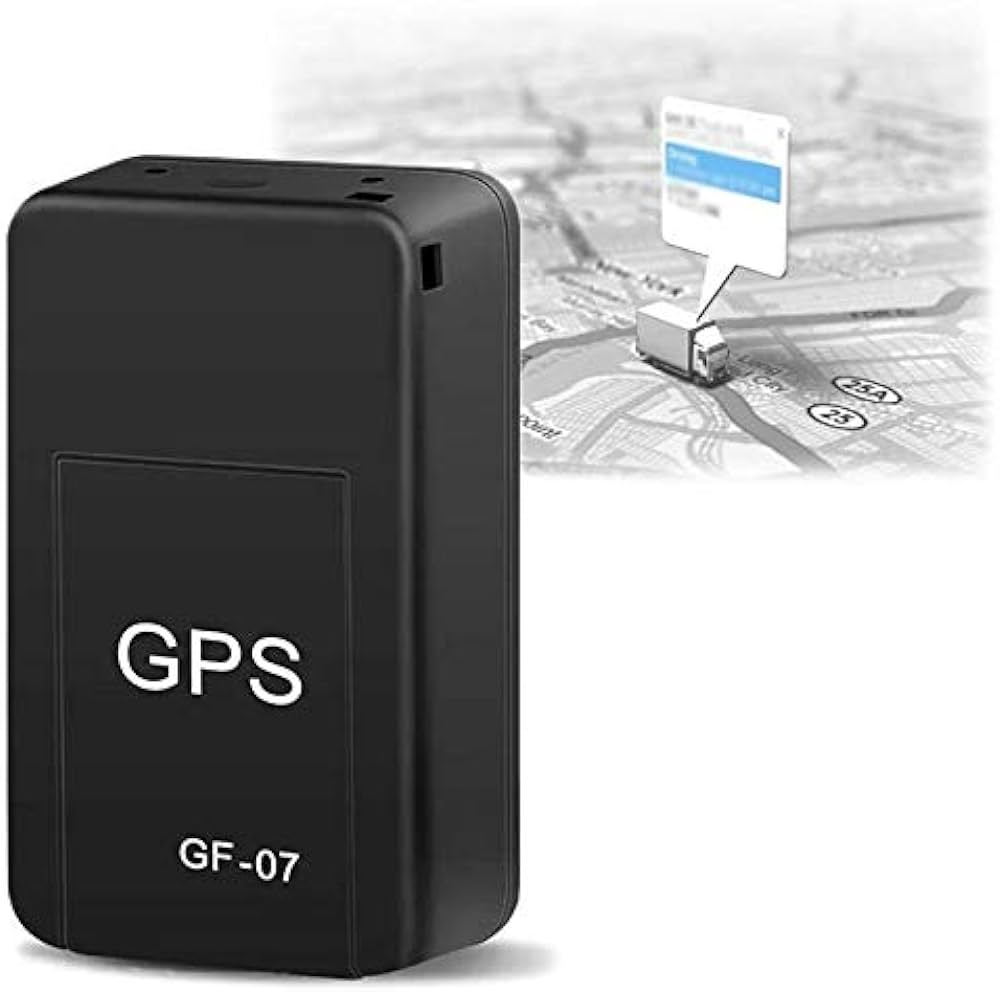
A thorough GPS Tracker Market Analysis shows momentum driven by operational efficiency goals, security needs, and a broader shift toward connected assets. Demand is no longer limited to fleet tracking; it now includes equipment monitoring, inventory movement, and personal safety applications. This diversification expands the addressable market while creating distinct performance expectations across use cases. For example, long-haul trucking prioritizes continuous updates and engine diagnostics, whereas container tracking may favor long battery life and periodic check-ins. In enterprise settings, buyers increasingly expect role-based access, multi-tenant dashboards, and automated reporting for compliance and billing. Competitive pressure pushes vendors to deliver more value at similar subscription price points. As a result, analytics, alert tuning, and integration capabilities are becoming stronger differentiators than raw location accuracy alone. The market also benefits from growing familiarity with SaaS models, making recurring service fees more acceptable.
Competitive landscapes are shaped by hardware manufacturing capabilities, software maturity, and channel reach. Some firms control device design and firmware, enabling faster feature updates and better power optimization. Others focus on software layers, partnering with third-party hardware suppliers to speed time to market. Telecom partnerships can provide pricing advantages, global SIM solutions, and bundled connectivity plans. System integrators add value by customizing dashboards and connecting tracking to dispatch, payroll, or compliance tools. Vendors compete with platform extensibility, offering APIs, webhooks, and integration marketplaces to reduce deployment friction. Customer retention strategies include proactive support, usage reviews, and ROI reporting that proves outcomes such as reduced idle time or fewer unauthorized trips. Meanwhile, buyers increasingly consider vendor stability and roadmap clarity, since switching platforms can be costly. In this environment, the winners tend to provide both reliable devices and software that aligns with daily operational workflows.
Technology trends influencing analysis include edge intelligence, sensor expansion, and improved map services. Devices can now detect events like harsh braking, towing, or tampering, and send exceptions without constant polling. Sensor-rich trackers support cold-chain integrity by logging temperature excursions and providing audit-ready histories. Map layers and routing engines are improving with live traffic, road restrictions, and automated ETA updates. Machine learning helps identify unusual movement patterns, enabling theft detection and proactive customer notifications. Another notable shift is toward unified asset views, where fleets can track trucks, trailers, and high-value tools in one interface rather than separate systems. These enhancements increase perceived value and reduce the need for multiple vendors. However, complexity can also raise training requirements, so UI design and alert management are critical. Platforms that allow configurable alert thresholds and user-specific views reduce fatigue and help teams act faster.
Market risks include privacy and regulatory compliance, device obsolescence from network changes, and cybersecurity exposure across large device fleets. Enterprises often demand encrypted communications, secure provisioning, and strong identity management to prevent unauthorized access. Replacement cycles can create opportunities but also frustration if customers must upgrade quickly due to network shutdowns. Additionally, tracking accuracy can degrade in urban canyons or indoor environments, requiring hybrid positioning methods and realistic customer expectations. Effective market strategies therefore combine transparent performance metrics with clear deployment guidance. Vendors that provide installation standards, health monitoring dashboards, and automated diagnostics reduce downtime and support costs. Over time, analysis suggests the most durable growth will come from solutions that solve specific business problems, not just report coordinates. The best-performing suppliers will turn location data into decisions, automation, and measurable operational improvement at scale.
Top Trending Reports:
Display Fingerprint Technology Market

 Українська
 Русский